Discover Nepal: A 10-Day Cultural and Trekking Itinerary for First-Time Visitors
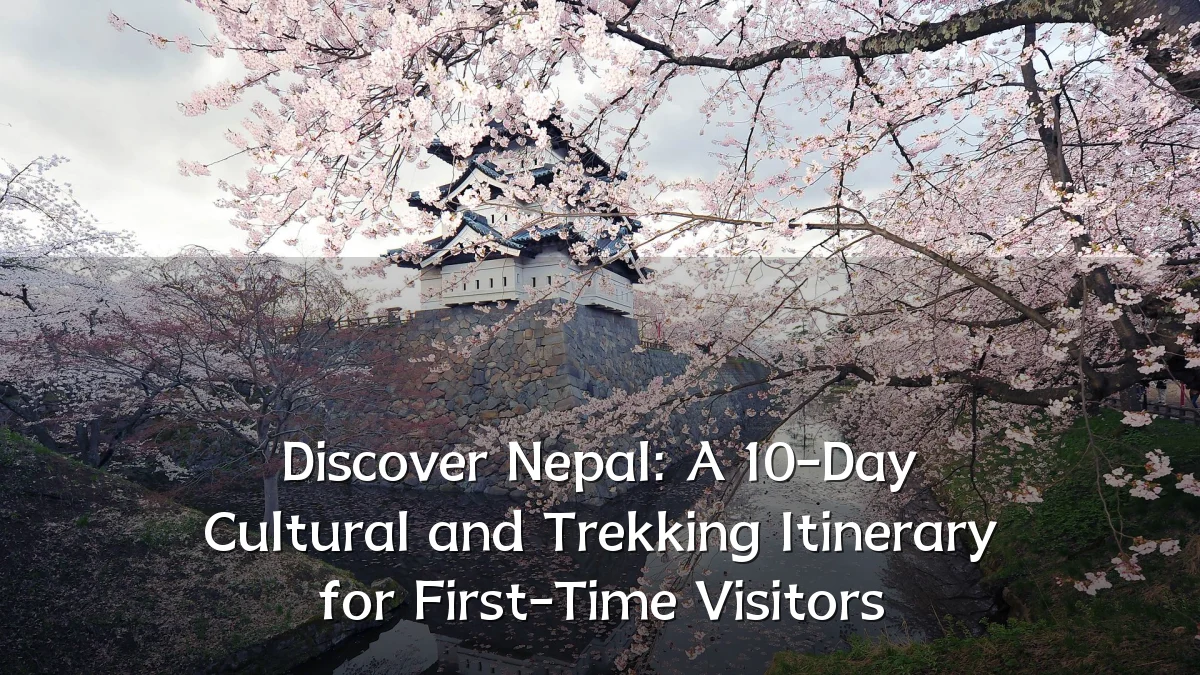
Interest in Nepal as a travel destination has risen steadily among first-time visitors seeking a compact yet varied experience. A 10-day itinerary combining cultural sightseeing with a short trek addresses demand for immersive, logistically manageable trips. This analysis examines current trends, operational realities, and what travelers should consider before booking such a package.
Recent Trends in Nepal Tour Packages
Tour operators have adapted to shifting traveler expectations in the wake of global travel disruptions. Key developments include:
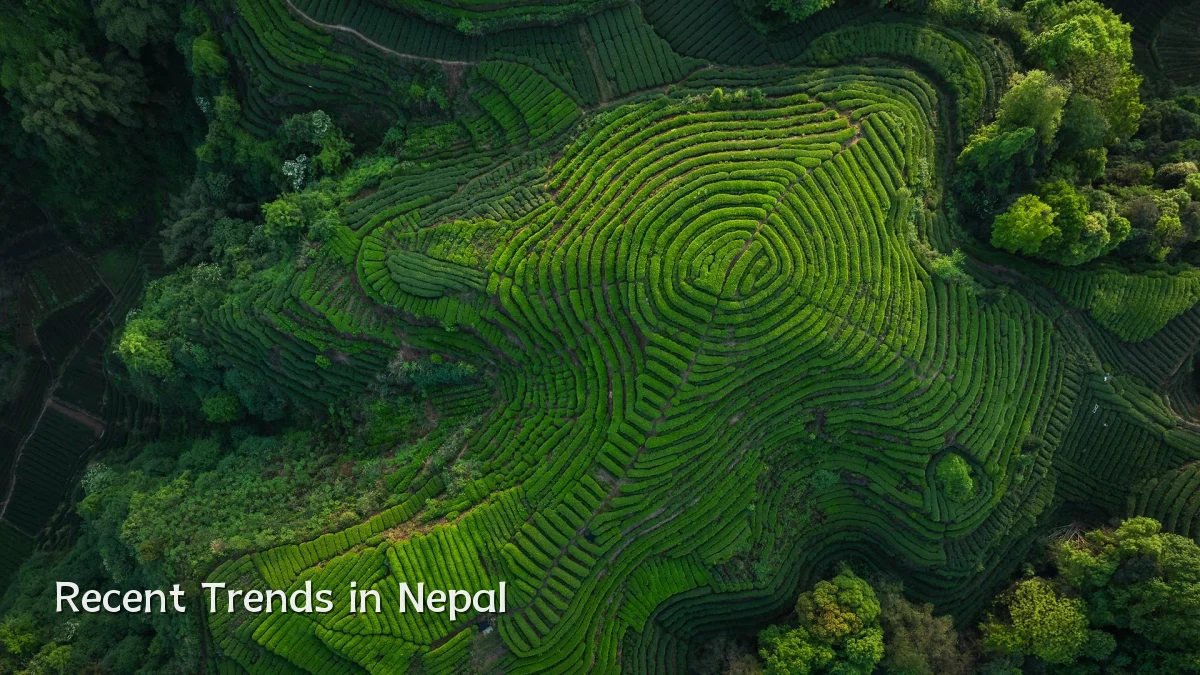
- Shorter, curated itineraries: Many first-timers prefer programs that fit a single vacation window, blending high-value cultural sites (e.g., Kathmandu Valley, Pokhara) with a moderate trek such as the Ghorepani Poon Hill circuit or lower Annapurna foothills.
- Emphasis on sustainable and community-based tourism: Operators increasingly highlight homestay options, local guides, and contributions to trail maintenance or village schools.
- Digital booking and flexibility: Online platforms now allow travelers to compare itineraries, read verified reviews, and modify dates with clearer cancellation policies — a response to earlier uncertainty around weather and flight schedules.
- Health and safety protocols: Post-pandemic, companies promote small groups, altitude-awareness briefings, and emergency evacuation plans as standard inclusions.
Background: Why a 10-Day Cultural and Trekking Mix Works
Nepal’s tourism framework has long segmented cultural exploration (Kathmandu, Bhaktapur, Lumbini) from trekking (Annapurna, Everest, Langtang regions). The 10-day format bridges this gap by offering a representative slice of both worlds without requiring extended leave or advanced mountaineering skills. A typical sequence involves:
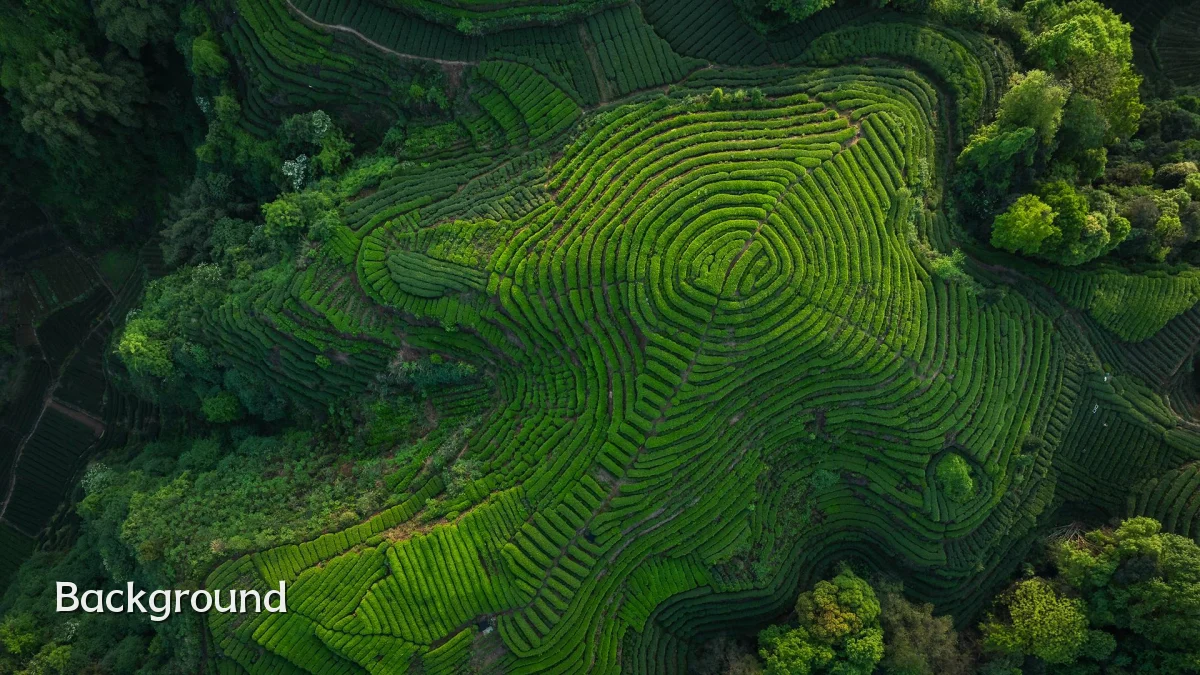
- Days 1–4: Arrival in Kathmandu, guided tours of Durbar Squares, Boudhanath Stupa, and Swayambhunath; a short flight or drive to Pokhara.
- Days 5–8: A 3- to 4-day trek starting from Nayapul or another lower-elevation trailhead, with overnight stays in teahouses and views of Annapurna South and Machhapuchhre.
- Days 9–10: Return to Pokhara for lakeside relaxation, transfer back to Kathmandu, and departure.
This template suits travelers with moderate fitness levels and limited high-altitude experience, as maximum elevations typically stay between 3,000 and 4,200 meters (9,800 to 13,800 feet).
User Concerns and Decision Criteria
First-time visitors evaluating this itinerary commonly weigh the following factors:
- Physical readiness: Trekking days involve 4–7 hours of walking, sometimes on uneven stone steps. Operators generally recommend prior cardiovascular exercise and practice hikes on inclines.
- Altitude acclimatization: The short duration means guided itineraries build in rest days or gradual ascent profiles. Travelers with a history of altitude sickness are advised to discuss medication options with a doctor before departure.
- Accommodation standards: Teahouses during the trek offer basic rooms with shared bathrooms; city hotels range from budget to four-star. Reading recent reviews for each stop is advisable.
- Cost transparency: Package prices vary widely — typically from roughly $1,200 to $2,500 per person (international flights excluded) depending on inclusions (permits, meals, internal flights, guide tips). Travelers should request a detailed breakdown of what is covered and any potential surcharges (e.g., peak season supplements, single-room upgrades).
- Ethical and sustainable practices: Questions about porter welfare, environmental impact (plastic waste, wildlife disturbance), and whether tours support local economies rather than leak profits overseas are growing priorities for conscious consumers.
Likely Impact on the Nepal Tourism Sector
Expanding the cohort of first-time visitors who successfully complete a cultural-and-trekking itinerary has several ripple effects:
- Revenue distribution: Short treks divert tourism income to villages along popular feeder routes, while city tours benefit heritage site ticket sales and hotel businesses in Kathmandu and Pokhara.
- Infrastructure pressure: Increased foot traffic on well-known trails (e.g., Annapurna Sanctuary, Poon Hill) can accelerate trail erosion and put strain on teahouse water and waste systems. Regulatory measures such as the Annapurna Conservation Area Project permit system aim to manage numbers but enforcement varies.
- Career opportunities: Local guides, porters, drivers, and hospitality workers gain regular employment, though seasonal fluctuations and low base wages remain concerns.
- Cultural preservation challenge: High visitor volume may alter traditional village life; some communities balance economic benefit with efforts to maintain authentic customs.
What to Watch Next
Several factors will shape how this 10-day itinerary model evolves for future travelers:
- Regulatory updates: Nepal’s tourism board periodically revises trekking permit systems, mandatory guide policies, and gear requirements. Observers suggest stricter rules for unaccompanied trekkers may follow, potentially making guided packages even more common.
- Climate and seasonal shifts: Monsoon timing has become less predictable. Spring (March–May) and autumn (September–November) remain peak windows, but travelers should monitor forecasts and be prepared for flight delays into mountain airstrips.
- New route development: Less-crowded trails, such as the Khopra Ridge or Mohare Danda, are gaining attention as alternatives to traditional circuits. Tour operators may begin including these in standard 10-day packages to differentiate offerings.
- Digital innovations: Apps for real-time trail conditions, e-permits, and cashless payments at teahouses are in early adoption phases. Adoption could reduce friction for first-time visitors unfamiliar with local practices.
- Community resilience: How villages manage waste, conserve water, and retain cultural integrity under growing tourism numbers will be a key sustainability benchmark. Traveler demand for eco-certified lodges may drive industry standards upward.