Everything You Need to Know About Helicopter Tours in Kathmandu

Helicopter tours operating out of Kathmandu have become a prominent fixture in Nepal’s adventure-tourism landscape. This analysis examines recent developments, historical context, traveler concerns, potential economic and environmental effects, and what industry observers should watch in the coming seasons.
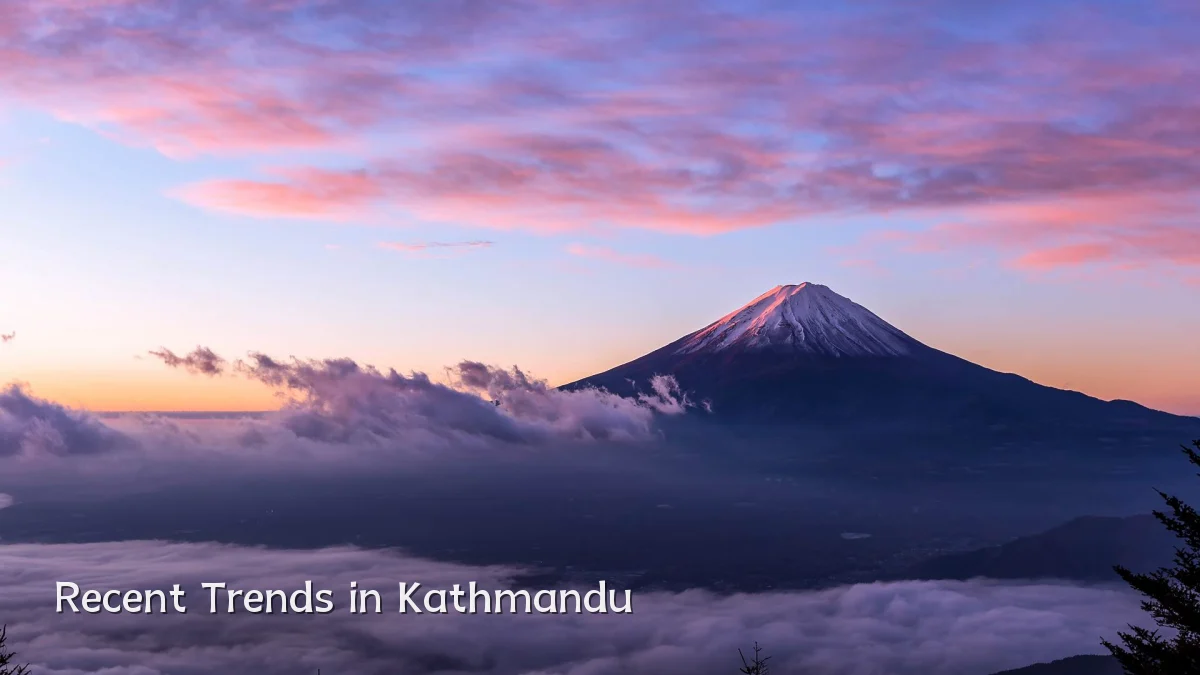
Recent Trends in Kathmandu Helicopter Tours
Over the past few years, helicopter-based sightseeing has shifted from a niche offering to a mainstream travel activity. Key developments include:
- Increased frequency of dedicated “mountain flight” packages that combine scenic flights with short landing stops at high-altitude locations such as Everest Base Camp or Gokyo Lakes.
- Rising popularity of shared-cost group tours that lower the per-person fare compared to private charters.
- Greater integration of helicopter segments with luxury trekking itineraries, allowing travelers to bypass long approach walks.
- Adoption of online booking platforms and real-time weather monitoring to improve scheduling reliability.
Background: How Helicopter Tours Evolved in the Region
Early helicopter operations in the Kathmandu Valley were primarily emergency medevac and cargo support. Commercial scenic tours began modestly in the late 1990s, with a small fleet of light utility helicopters. Over the following decades, demand grew as infrastructure improved – new helipads were built at Lukla, Syangboche, and near Kala Patthar – and as the global appetite for “bucket-list” aerial sightseeing expanded. Today, the sector is regulated by the Civil Aviation Authority of Nepal, which sets safety and operational standards for both domestic and foreign-operated aircraft.

Key User Concerns for Mountain Flight Experiences
Travelers evaluating helicopter tours in Kathmandu typically raise several practical and safety-related questions:
- Safety records: Operators must adhere to maintenance schedules and pilot-hour limits, though enforcement consistency is a recurring concern.
- Weather dependency: Flights are frequently delayed or canceled during monsoon (June–August) and winter fog (December–February). Flexible rebooking policies are essential.
- Altitude considerations: Rapid ascents to above 4,000 m can cause discomfort; operators typically provide oxygen support and brief stops.
- Cancellation and refund terms: Policies vary widely – group tour deposits are often non-refundable, while private charters may offer credits.
- Insurance and liability: Many tours include passenger liability cover, but travelers are advised to verify coverage details and consider independent travel insurance.
Likely Impact on Tourism and Local Economy
The growth of helicopter tourism around Kathmandu carries several measurable effects. For the local economy, it generates direct revenue for operators, fuel suppliers, and heliport staff. Village communities near landing sites (e.g., Syangboche or Lukla) see additional spending on accommodation and refreshments. However, noise pollution and disruption to wildlife have drawn criticism from conservation groups, particularly in Sagarmatha National Park. On the positive side, helicopter flights enable visitors with limited time or physical ability to access remote regions, broadening the demographic base of Nepal’s tourism. The sector also provides a reliable transport option for emergencies and logistics, reinforcing its value beyond recreation.
What to Watch Next
Several factors will shape the future of Kathmandu helicopter tours in the near term:
- Regulatory evolution: Potential tightening of landing permits and flight quotas in protected areas could alter route availability and pricing.
- Fleet modernization: Introduction of quieter, more fuel-efficient rotorcraft (e.g., H125 or AStar variants) may reduce environmental pushback.
- Seasonal dynamics: Peak-season (March–May, September–November) capacity constraints may prompt operators to add flights or raise prices.
- New competition: Adjacent offerings such as paragliding or drone-based virtual tours could attract budget-conscious travelers away from helicopter experiences.
- Infrastructure projects: Upgrades to Tribhuvan International Airport’s heliport and construction of new landing pads along the Annapurna Circuit may shift the geographic focus of tours.